How Georgian customers buy your English catalog
TL;DR: Your catalog is in English, the client writes in Georgian. aiSTAFF translates the search request into the language of the catalog, finds the product by value and responds in the user's language, so a Georgian or Russian buyer buys from the English catalog without seeing a language barrier.
The Hidden Language Gap
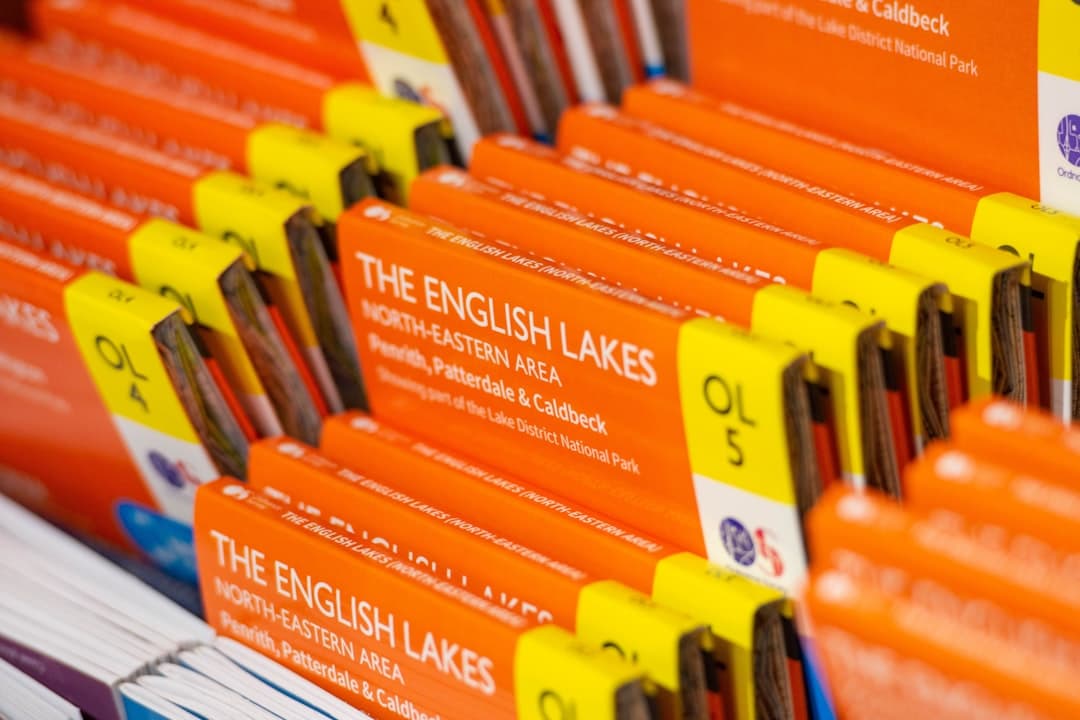
Walk through a typical Georgian online store and the catalog is in English. Product names, categories, and descriptions were written once, often imported from a supplier, and never localized. The showcase looks good. The trouble starts in the chat, where a real user writes in Georgian: "I want a cozy seat". A simple search looks for Georgian words in English product titles, matches nothing, and returns empty results. The buyer assumes that you do not have the goods and closes the tab.
This gap is expensive and silent. You never see a missing query because nothing went wrong, the bot found zero. For a store that sells to Georgian, Russian, and English speakers at the same time, it silently shuts down all conversations that aren't typed in English. Fix is a search that crosses languages by design. If you're running a store, our AI Chatbot Development Service sets this up, and the rest of this article will show you what's going on under the hood.
How cross-language streaming works
aiSTAFF sees language as a layer of meaning, not a wall. For each incoming message, it does four things in sequence.
- Language detection. The bot asks if the message is Georgian, Russian or English. It can switch to mid-chat if the client does so without announcing it.
- Translate the query for search only. Georgian "comfortable chair" becomes "comfortable chair" behind the scenes, just to run a catalog search. The user never sees this step.
- Search by meaning. The translated query will be entered into the built-in catalog, where semantic search will recognize that "comfortable chair" matches your listing for "soft chair". The mechanics are Why Keyword Search Fails in Ecommerce Chatbot.
- Reply in the user's language. The product card and bot words are returned in Georgian, even though the catalog data is in English. The product name remains as you listed it; The conversation around it is localized.
The result is a shopper who types in one language, reads in one language, and buys from a catalog written in another language, without friction.
Why not just translate the whole catalog?
You can translate all products into three languages. For a 50-item catalog, maybe. For a 5,000 SKU store that resyncs prices weekly, translating and maintaining three full copies is an ongoing cost that becomes obsolete the moment the supplier names the product. Query translation instead of Catalog keeps one source of truth in English and handles all languages. When you re-sync from your store, including CS-Cart Catalog Sync, there is still only one current catalog, not three.
It also handles languages you don't plan on. A Russian-speaking user enjoys the same treatment as a Georgian without a separate translation project, because the translation and search steps are language agnostic.
Meaning goes to stitch
Cross-language search only works because basic search is semantic. If the engine matches the letters, the translation will still leave you to guess the synonyms. Because it matches the meaning, the Georgian word "refrigerator" finds your "refrigerator" listing, and the Russian search for a quiet keyboard finds your low-noise mechanical model. Word forms and plurals are also tolerated, so the grammar doesn't break conformance, which is covered by A comfortable chair should find your seats. A more in-depth vector search history is Multilingual Vector Search Georgian Catalog.
Stays honest in languages
Translation does not open the shields. The relevance gate goes through a translated query just like it does for English, so a Georgian search for an item you don't stock is returned as a clear "we don't carry this" and not an invented product, explained relevancy gate. And once a match is found, the customer sees the full card with price, discount and stock, no matter what language they're typing in, covered in product cards in chat that converts.
Working example
The home goods store maintains its catalog in English. At 9 o'clock in the evening, the user sends a message in Georgian and asks for a soft chair up to 300 GEL. The bot recognizes Georgian, translates a search query into an English catalog, and performs a value-based search. He returns two seats, both in budget, sorted by price, each with a rating and stock status, and writes the entire answer in Georgian. The customer this time asks in Russian if there is a suitable shoe rack. The bot switches to Russian without commenting, finds the appropriate item and adds it to the running cart. After three items, he offers to call to arrange delivery. One English catalog served two languages in one conversation. The broader sales engine is in the hub, AI chatbot that sells your catalog, and the Georgia market context is AI for e-commerce stores in Georgia.
Related reading
- AI Chatbot That Sells Your Catalog
- Why Keyword Search Ecommerce Chatbot Fails
- A comfortable chair should find your seats
- Multilingual vector search for Georgian catalog
- AI for ecommerce stores in Georgia
FAQ
Can a Georgian user search only English language catalog?
Yes. The bot recognizes Georgian, translates the request into English to run a search, finds the product by value, and responds in Georgian, so the user never has to know that the catalog is in another language.
Does the user see the translation step?
No. The translation is done only to run the search. The buyer types in their language and reads the response in their language; English catalog data remains in the background.
Should I translate my entire product catalog?
No. aiSTAFF translates each query instead of the catalog, so you keep one English source of truth and still serve Georgian, Russian and English buyers without having to keep three copies.
What if the bot can't find anything in the user's language?
The relevance gate applies to the translated request as well. If there isn't a good match, the bot says it won't carry the item, rather than inventing it in whatever language the user is using.