Multilingual SEO: Rank in KA, EN and RU
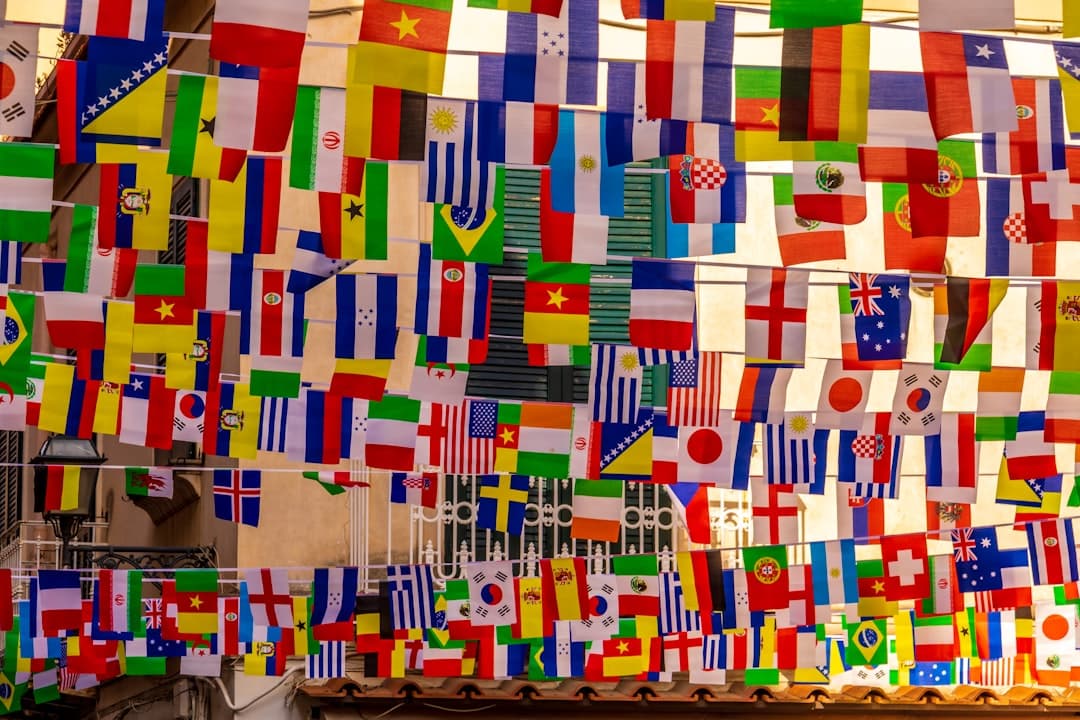
A Tbilisi tour operator ran one site in Georgian and wondered why foreign visitors, the people who actually book tours, never found it. The fix was not a translate button. It was three properly built language versions: Kartuli for locals, English for tourists and expats, Russian for the regional market. Done right, a Georgian business can rank in all three and pull a different, valuable audience from each. Done with auto-translation and no technical setup, it ranks in none and sometimes harms the original.
This guide covers the structure choice, hreflang, why machine translation fails for SEO, and how to capture tourist and Russian-speaking demand without duplicate-content problems.
Why three languages is a real opportunity in Georgia
Georgia has three distinct search audiences, and most local sites serve only one. Kartuli reaches residents searching for everyday services. English reaches the large tourist flow, the expat community, and B2B buyers who research in English. Russian reaches older residents, Russian-speaking locals, and regional visitors. Each language is a separate, under-served SERP. A business that publishes in all three captures demand its single-language competitors never see, which is why language coverage runs through the whole SEO service rather than being an afterthought.
The audiences also convert differently. A tourist searching "wine tasting Tbilisi" in English is high-intent and ready to book. A local searching the Kartuli equivalent may be comparing for weeks. Treating the three as one blurred audience wastes all of them; treating them as three lets you match content and intent per language, building on the intent mapping from Georgian keyword research.
Pick a URL structure and keep it
Search engines need a clear, consistent way to tell your language versions apart. Three structures work, in rough order of preference for a Georgian SMB:
- Subdirectories: yoursite.ge/en/, yoursite.ge/ru/. The common choice. All languages share the domain's authority, it is simple to host, and it scales cleanly. Recommended for most businesses.
- Subdomains: en.yoursite.ge. Workable, but Google can treat subdomains as more separate, so authority is shared less directly.
- Separate domains: yoursite.com and yoursite.ge. Only makes sense for large operations with distinct brands or markets, since each domain builds authority from scratch.
Subdirectories let your Kartuli, English, and Russian pages all benefit from the same backlinks and overall domain strength, which matters when, as covered in link building in Georgia, links are scarce and you want every one to count across all three versions. Whatever you pick, set it before you scale and do not switch later without a careful redirect plan.
hreflang: telling Google who gets which version
hreflang tags are the technical core of multilingual SEO. They tell Google that your Kartuli, English, and Russian pages are versions of the same content for different languages, so Google shows the right one to each searcher and does not treat them as duplicates competing against each other. Without hreflang, your English and Russian pages can be filtered out as duplicate content or served to the wrong audience.
Each page declares all its language versions, including itself, and the declarations must be reciprocal: if the Georgian page points to the English version, the English version must point back. Common errors (missing return tags, wrong language codes, pointing to redirected or dead URLs) silently break the setup and are easy to miss without validation. This is firmly a HIRE item from the technical SEO audit checklist, because a small mistake across many pages quietly wastes the entire translation effort.
Per-locale content, not auto-translation
Machine-translated pages fail at SEO for two reasons. First, quality: auto-translation produces stilted, sometimes wrong text that reads as low quality to both users and Google, and Georgian in particular suffers because automated tools handle its grammar and word forms poorly. Second, keywords: people search differently in each language. The literal translation of your best Kartuli keyword is often not what English or Russian speakers actually type.
Real localization means writing or properly adapting each version for its audience, using the keywords that audience searches, not a one-click translation of the original. A tour page in English targets "things to do in Tbilisi" and "Georgia wine tour" because that is what tourists search; the Russian version targets the Russian phrasing; the Kartuli version targets local intent. This is the same human-content principle behind our AI content production guide: tools can accelerate drafting, but each locale needs content built for its real searchers, not a translation artifact.
Capturing tourist and Russian-speaking queries
The English version is where tourist money lives. Build pages around what visitors search before and during a trip: activities, tours, bookings, "near me" queries from people already in Tbilisi. Tourists research in English and book fast, so high-intent English pages with clear booking paths convert well. Many Georgian businesses skip this entirely and leave the tourist market to international platforms that take a cut.
The Russian version captures a market local competitors often ignore for newer audiences. Russian-speaking residents and regional visitors still search in Russian for many services, and the Russian SERP for Georgian businesses is frequently thin. A few well-built Russian pages for your core services can rank quickly. Decide per language whether the demand justifies the content: not every business needs all three at full depth, and the keyword and Trends data tells you where to invest.
Multilingual setup checklist
- Choose one URL structure (subdirectories recommended) and apply it consistently.
- Write or properly localize content per language, with per-language keyword research. No raw machine translation.
- Implement reciprocal hreflang tags across every language version, with correct codes and live URLs.
- Give each language its own metadata: titles and descriptions in that language, not the original.
- Let users switch languages easily, and never auto-redirect by IP in a way that traps them in one version.
- Translate URL slugs where it helps local relevance, and keep them stable once set.
- Validate the whole setup, then monitor each language separately in Search Console.
A correctly built three-language site is one of the strongest moves available to a Georgian business, because it captures audiences competitors cannot see and faces thin competition in each. The structure, hreflang, and per-locale content are interlocking technical work where mistakes are costly, so it is the part of the aiNOW SEO service most worth handing to specialists, with scope and pricing set in lari up front. For the full classic-SEO picture this fits into, see the Google SEO in Georgia playbook.
FAQ
Do I need all three languages, or can I start with two?
Start with the languages your customers actually use and add others as demand justifies. Most Georgian businesses begin with Kartuli plus one of English or Russian, depending on whether tourists or Russian-speaking buyers matter more to them. Check Google Trends and your Search Console data to decide. Adding a third language later is straightforward if your URL structure and hreflang were set up cleanly from the start.
Will Google penalize me for duplicate content across languages?
No, as long as each version is genuinely in a different language and connected by correct hreflang tags. hreflang tells Google these are language variants of the same content, not duplicates. The risk appears when you publish near-identical pages in the same language, or when hreflang is missing or broken, which can make Google treat your versions as competing duplicates. Proper setup prevents both.
Is auto-translation ever acceptable for a multilingual site?
As a temporary stopgap or for low-value pages, machine translation can be better than nothing, but it should not carry your money pages or core content. For anything you want to rank and convert, write or properly adapt the content per language with real keyword research. Georgian especially needs human attention because automated tools handle its grammar poorly, producing text that reads as low quality to users and search engines.