Measuring AEO: Tracking Traffic and Mentions From AI Engines
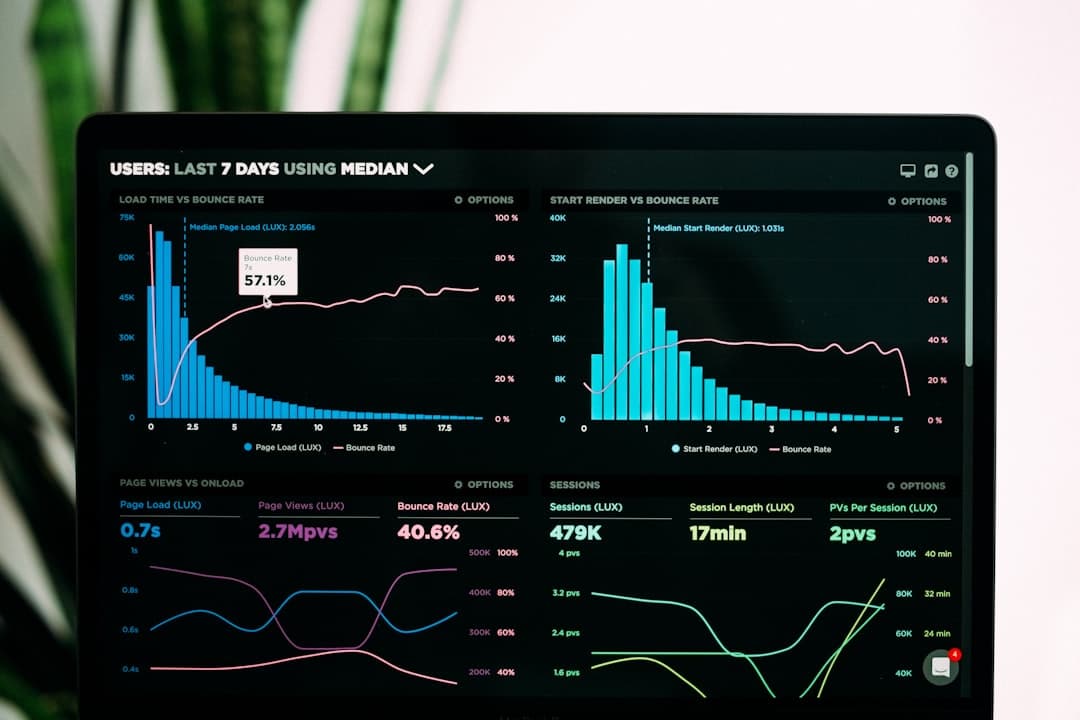
To measure AEO traffic, you track three things: how often AI crawlers like GPTBot and PerplexityBot fetch your pages, how much referral traffic arrives from chatgpt.com and perplexity.ai, and how often AI assistants name your business in their answers. Together these show whether AI engines read you, send you visitors, and recommend you.
TL;DR: AEO measurement rests on three data sources: server logs for AI bot user-agents, referral analytics for AI domains, and manual or tooled brand-mention checks inside AI answers. None is a single tidy score, so you watch trends across all three monthly.
If you want this tracking built and reported alongside the optimization work, our answer engine optimization service sets up bot-log monitoring, AI referral segments, and a brand-mention checklist so you see what each AI engine does with your content.
Why AEO Resists a Single Number
Classic SEO has rank trackers and click data tied to keywords. AEO has none of that cleanly, because the "answer" happens inside ChatGPT or an AI Overview where you cannot see impressions the way you see search results. A user can read your facts in an AI answer, trust them, and act, without ever clicking through to your site.
That means you measure AEO by triangulation. You watch whether AI bots fetch your pages, whether AI platforms send referral clicks, and whether your name shows up when you ask the assistants the questions your buyers ask. Each signal is partial. Read together over time, they tell you if your AEO work is landing.
How do I see AI crawlers reading my site?
Open your server access logs and filter the user-agent field for AI crawler names. GPTBot, ClaudeBot, PerplexityBot, and Google-Extended each identify themselves. Counting their hits over time shows which pages AI engines fetch and how often, the first proof that your content is in the pipeline at all.
A simple way to track it:
- Filter logs for
GPTBot,ClaudeBot,PerplexityBot,Google-Extended, andBytespider. - Count hits per crawler per week, and note which URLs they request.
- Watch for pages that never get fetched. Those are likely blocked or not linked well.
- Confirm your robots rules allow the crawlers you want, since a stray disallow line stops them silently.
If a key page shows zero AI-bot hits for weeks, fix retrievability before anything else. A page no crawler reads cannot be quoted.
How do I track referral traffic from AI platforms?
Build an analytics segment that captures sessions whose referrer is an AI domain: chatgpt.com, perplexity.ai, gemini.google.com, or copilot.microsoft.com. Each click from an AI answer that links back to you lands with that referrer, so the segment counts the visits AI engines send and shows the trend over time.
When an AI answer links to your site and a user clicks, that visit shows up in your analytics with a referrer. In Google Analytics or a privacy-friendly alternative, build a segment that captures sessions from AI domains. Watch the trend, not a single day.
| Referrer domain | Source |
|---|---|
| chatgpt.com | ChatGPT citations and links |
| perplexity.ai | Perplexity answer sources |
| gemini.google.com | Gemini answers |
| copilot.microsoft.com | Microsoft Copilot |
| Direct, no referrer | Often AI-influenced, hard to attribute |
The honest caveat: a large share of AI-influenced visits arrive with no referrer or as direct traffic, because the user read your name in an answer and typed your URL later. So referral counts undercount real AI impact. Treat the AI-domain number as a floor, and watch direct traffic for unexplained lifts that line up with your AEO work.
Brand-Mention Tracking Inside AI Answers
The closest thing to a rank check in AEO is asking the assistants the questions your customers ask and recording whether your business appears. This is part manual, part tooled, and it is the signal that maps most directly to revenue, because a recommendation is a warm lead.
A repeatable routine:
- List 15 to 30 buyer questions in your category and city.
- Run each through ChatGPT, Perplexity, and Google AI Overviews monthly.
- Record whether your business is named, the rank order, and which source the model cited.
- Note competitors that show up so you know who to displace.
- Track the share of questions where you appear, and watch it move.
Some third-party tools now automate parts of this, querying assistants on a schedule and logging mentions. Where you cannot afford tooling, a spreadsheet and a monthly hour of manual checks still produce a trend you can act on.
Putting the Three Signals Together
No single chart captures AEO, so build a small monthly review that holds all three side by side: AI-bot fetch counts, AI-referral and direct-traffic trends, and your brand-mention share across the assistants. Looked at together, they answer the questions that matter: are AI engines reading me, are they sending visitors, and are they recommending me.
Set a cadence of once a month for the full review, with a quick weekly glance at bot logs and referrals. The numbers will be noisy at first. Over a quarter, the direction becomes clear, and you can tie movements back to the pages and schema you shipped.
Related Reading
- The full AEO playbook for Georgian business in 2026
- Local SEO in the AI search era for Georgian business
- 7 content formats AI engines quote most often
- Best AI agencies in Georgia for 2026
- The llms.txt implementation guide
- Prompt engineering for business in 2026
- The AEO era: answer engine optimization explained
- Why your site is invisible to ChatGPT and how to fix it