Accessibility-Aware voice reservation
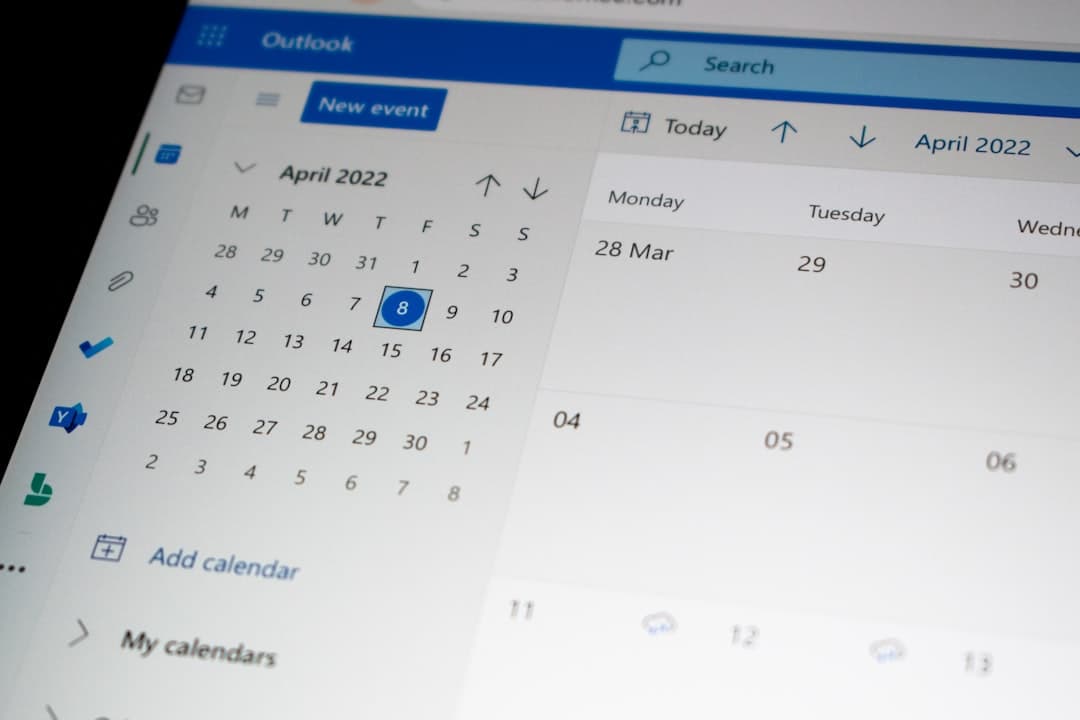
TL;DR: A good voice agent checks availability live before confirming a reservation. It reads your calendar or inventory, offers only open hours, and never gives the same slot to two callers. This one step is what separates a booking tool from a complaint generator.
The fastest way to lose trust in an auto booker is to double book. Two people show up at the same chair, at the same table, on the same date, and they turn someone away. AiSTAFF Voice Agent is designed to prevent this from happening. He sees accessibility as a check that needs to be passed, not a detail that he hopes is right.
This is a mechanism under aiNOW Voice Agent. If the agent answers an incoming call or places an outgoing call, the booking is closed only after confirming that the slot is open. The discussion below shows why this order is important and how it holds up under real-world call volume.
Check before confirming, always
The rule name is simple and easy to follow: never confirm a time you haven't confirmed. A naïve booker takes the caller's desired slot and writes it down. If two callers want 4pm and both get yes, you have a match. The agent returns this order.
- First it reads availability. The agent reflects the current calendar or inventory status at the time of the call, not a cached copy from this morning.
- He offers only what is open. The caller hears real options, so the conversation remains honest from the first offer.
- Finally confirms. Only after the caller selects an open slot, the agent blocks it. The reservation is made, then the next subscriber sees that time taken.
The same logic applies to inventory for product-oriented calls: it will not sell an item that is not in stock. The retail version of this idea is covered in Availability Checks: Never Sell What's Out of Stock.
Why a double book costs more than a slot
A clash isn't about one lost piece of armor, it's about two unfortunate people and a damaged reputation. A customer who returns remembers this. The one manning the slot still witnessed the commotion. In a small market like Georgia, word travel and a salon or clinic that double books are talking about for the wrong reason.
There is also the cost of personnel. Every mess means someone calling for an apology, a makeover, and a rebooking. This is the precise manual work that an agent was hired to remove. At first check, it saves the calendar and the afternoon your team would have spent on damage control. For where this fits into the bigger picture, see Georgian Voice AI Agent Guide.
Worked example: Saturday Peak
The salon receives a wave of Saturday calls with three stylists. At 10:02 a caller requests a haircut at 3:00 p.m. at any stylist. An agent sees one open seat at 3pm, offers it and makes a reservation. 10:05 The second subscriber also wants 15:00. The agent is not repeating the previous offer as this seat is now taken. It offers 3:30pm with the same stylist or 3:00pm with another, and the booking is chosen by the caller.
No person is watching the overlapping of these two calls. The calendar remained honest between them, second by second. At the end of the morning, the cabin has a full board, with zero collisions, and no one has had to call anyone to fix a mistake. The salon specific flow is Salon Bookings without Phone Tag.
same guard between verticals
Availability means different items per trade and the agent reflects each one.
- Clinics: Appointments per dentist or doctor, detailed AI Voice Agent Clinic Reception.
- Restaurants: Tables per time group covered by Voice Restaurant Reservations.
- Dealers: test cars and staff windows, book a dealer test drive.
- General Booking: Channel Approach in Appointment Booking Automation.
In any case the structure is identical: finite resource, direct check and proof that it only works when the resource is free. An agent doesn't need to understand chairs and tables versus machines. It needs an access source to read, and it reads it every time before it says yes.
What you connect to make it work
An agent needs access to a schedule or inventory that it must honor. You mark it on your calendar or inventory, define your slot rules, and determine what happens when nothing fits, usually taking feedback so the lead isn't lost. From there, the inspection goes on autopilot. The cost side of this for human operator vs. operator is developed by AI Voice Agent vs. Phone Operator. Book a demo aiNOW Voice Agents to put on your calendar.
Related reading
- Georgian voice AI agent guide
- AI Voice Agent Clinic Reception
- Voice Restaurant Reservations
- AI Voice Agent vs Phone Operator
- Appointment Booking Automation
FAQ
How does the agent know the slot?
It reads your calendar or action at the time of the call. The check is done before it is offered at any time, so a slot reserved thirty seconds before another call is already marked as accepted when the next caller requests.
What if two people call at the same time?
The first subscriber to confirm an open slot will receive it. The agent blocks the reservation and the second caller is offered nearby open hours. No call should wait for a person to resolve the overlap.
Will it handle promotions with calendars?
Yes. The same check-to-confirm logic applies to inventory. An agent will not confirm a sale for an item that is not in stock, preventing the retail version of the double book from being launched.
What happens when nothing is available?
The agent identifies the caller as the callback lead, gets the name, number, and reason, and records it. You set this back up, so the full calendar still ends up with a saved contact rather than a lost one.