One Chatbot, Three Languages: Georgian, English, Russian
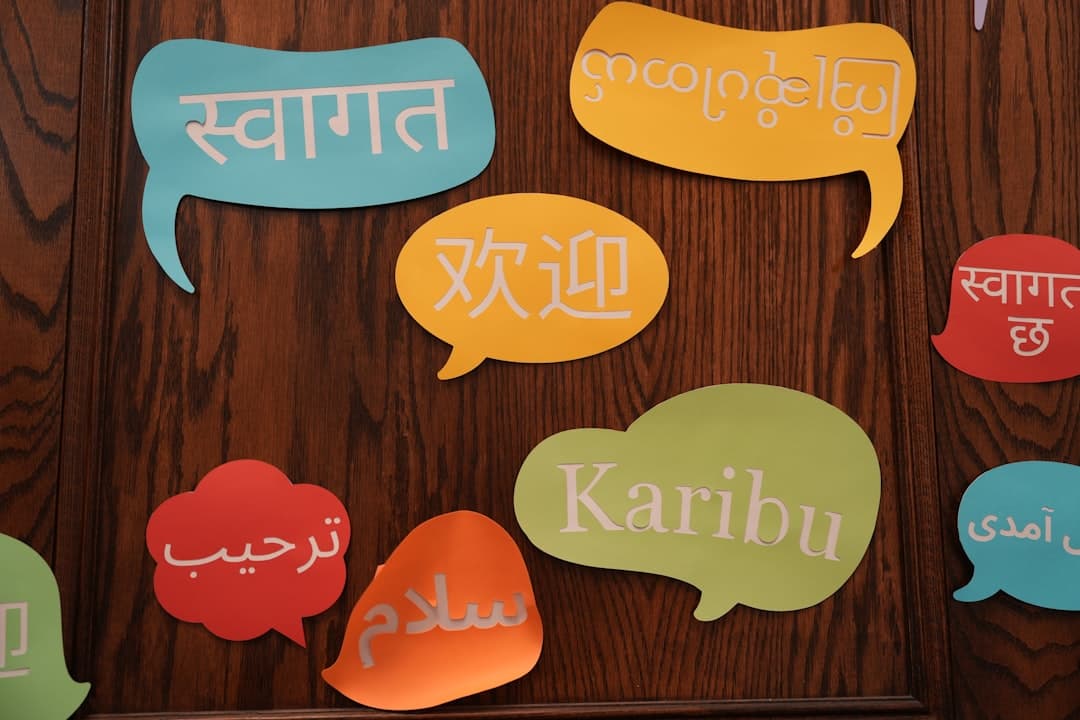
A multilingual chatbot is one bot that reads the language of each incoming message, then answers in that same language. For a Georgian business, that usually means Georgian, English, and Russian from a single setup, with one shared knowledge base behind all three.
TL;DR: One trilingual bot replaces three single-language scripts. Detection runs per message in under a second, the shared knowledge base stays in one place, and pricing starts at 150 GEL/month with language packs adding little to the build.
Most Tbilisi businesses already get mixed-language inboxes. A tourist writes in English on Instagram, a local writes Georgian on Messenger, a returning customer from the region writes Russian on WhatsApp. If you run three separate bots, you triple the maintenance and split the data. A single multilingual AI chatbot built for the Georgian market keeps one brain and three voices, so every fix you make lands in all three languages at once.
How does a chatbot know which language to answer in?
The bot reads the customer's message, classifies the language, and replies in that language. Detection happens on the first message and re-checks on every reply, so a customer who switches from Georgian to English mid-chat gets followed without a manual toggle. No "press 1 for English" menu, no separate phone lines.
Under the hood, three things run in sequence:
- Language ID on the inbound text, returning Georgian, English, or Russian with a confidence score.
- Knowledge lookup against your single source of facts (prices, hours, policies), language-independent.
- Reply generation in the detected language, using your brand tone for that language.
When confidence is low (a one-word "ok", an emoji, a mixed sentence), the bot holds the previous language rather than guessing. That single rule removes most of the awkward language flips customers complain about.
Why one shared knowledge base matters
The expensive part of any chatbot is the knowledge behind it, not the words on screen. Keep your facts in one place and translate at reply time, and a price change touches one record. Keep three separate scripts and the same change means three edits, three review passes, and three chances to forget one.
A shared base also keeps answers consistent. Your refund window reads the same in Georgian and Russian because both pull from the same field. The day a clinic updates its working hours, every language is correct by the next message.
Does AI handle Georgian as well as English?
Georgian needs more care than English or Russian. The script is unique, the grammar declines heavily, and many models were trained on far less Georgian text. A bot that reads English perfectly can still produce stiff or slightly wrong Georgian. The fix is a Georgian-specific review pass and a curated set of approved Georgian phrases for your common answers, so the bot leans on vetted text instead of improvising.
For deeper handling of the language itself, our guide to AI that speaks Georgian covers what works and what still breaks in 2026.
How do you set up a trilingual bot in practice?
Setup runs in four passes, and the language work folds into the build rather than tripling it. The base bot gets built once, then each language layer is a content task on top of the same engine. Plan for a Georgian review pass that the other two languages do not need.
The order that works:
- Map your top questions. Pull the 30 to 50 questions customers ask most across all channels. These become your curated answer set, the backbone of every language.
- Build the knowledge base once. Load prices, hours, policies, and the catalog into one source. Language-independent, so it never gets duplicated.
- Layer the languages. English and Russian draft cleanly from the knowledge base. Georgian gets the extra review and an approved phrase set for the common answers.
- Test the switching. Run mixed-language conversations through the bot before launch, confirming it detects, holds, and switches correctly.
Most of the timeline goes into step 1 and the Georgian pass in step 3. Skipping either is where trilingual bots end up sounding robotic in one language and fluent in the others.
How much does a multilingual chatbot cost in Georgia?
A trilingual bot costs only a little more than a single-language one. The base AI chatbot starts at 150 GEL/month. Languages are largely a content task, not a second engine, so the added cost sits in the curated phrase sets and the Georgian review, not in a tripled subscription.
| Setup | Build effort | Monthly | Best for |
|---|---|---|---|
| Single language (Georgian) | Low | from 150 GEL | Local-only audience |
| Trilingual (KA / EN / RU) | Medium | from 150 GEL | Mixed inbound, tourism, regional buyers |
| Trilingual + sales flows | Higher | 250 to 1000 GEL | Lead capture and qualification |
Compare that to staffing. A single multilingual support hire in Georgia runs roughly 1500 GEL/month and covers about 40 hours a week. The bot covers all 168 hours and never needs a fourth language added by payroll.
When the bot hands off to a person
A multilingual bot should know its limit. Complex complaints, custom quotes, and anything emotional belong with a human, in the customer's language. Design that handoff before launch so the transfer carries the full chat history and the detected language to your agent. Our chatbot-to-human handoff guide walks through that escalation step by step.
Related Reading
- AI Chatbot for Business: the complete 2026 guide
- Chatbot-to-human handoff: design it before you need it
- AI chatbot for an e-commerce store: cart to checkout
- AI chatbot cost in Georgia: full price breakdown
- AI chatbot vs live operator: the real numbers
- AI content production for business: the 2026 playbook
- Why chatbots annoy clients, and how to fix it
- A chatbot conversion case from Georgia