Google Begins Beta Testing of Personalized AI Assistants
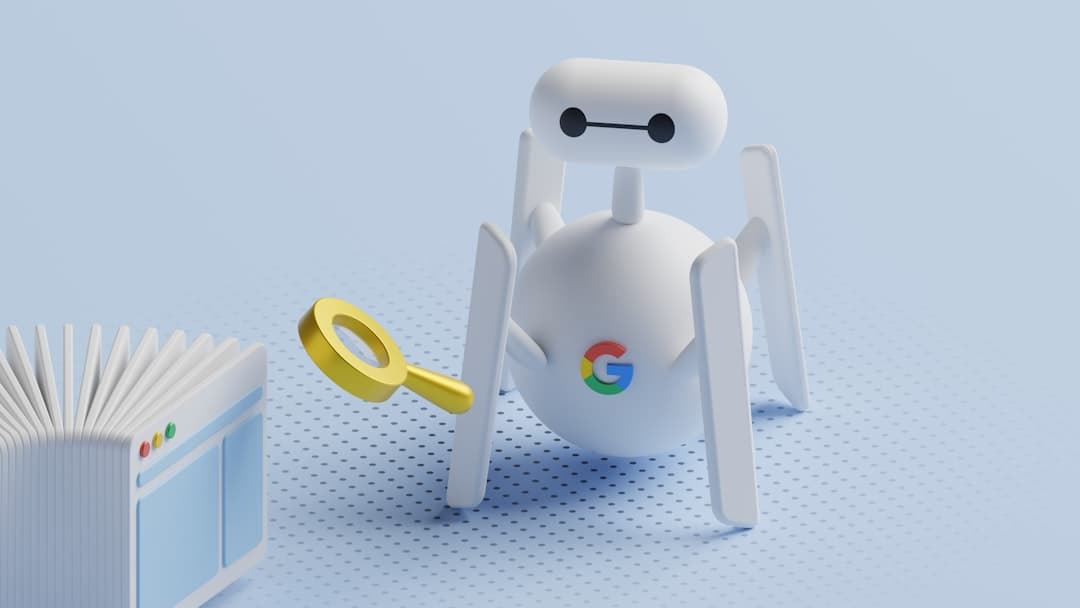
Google Begins Beta Testing of Personalized AI Assistants, Gems
Google presented a new feature for Gemini Advanced users called Gems. This tool allows creating personalized AI assistants focused on specific tasks, such as coding or creative writing. This innovation is an important part of Google's strategy related to the continuous development of the Gemini ecosystem.
A New Level of Personalization
The Gem creation process is maximally simplified. Users can create their own Gems through simple text instructions. The system automatically generates optimized instructions to customize bot behavior. This allows any user, even without technical knowledge, to create an assistant adapted to their specific needs.
This approach significantly differs from traditional chatbots, where the user is forced to re-explain the context every time. Gems preserve the predefined instructions and already "know" at the start of each new conversation what tone, style, or format to use in responses.
Ready Templates for Popular Scenarios
The platform already includes several pre-prepared assistants:
- Learning partner — For explaining complex topics, helping students understand complex concepts
- Ideas generator — For creative projects, automating the brainstorming process
- Career advisor — For refining resumes and assistance in the job search process
- Coding assistant — For programming, which joins the ranks of the best AI coding assistants of 2026
Each template is thoroughly adapted to its specific task and allows users to use them immediately or customize them according to their own needs.
Strategic Vision and Market Context
Google's Director of Product Management, Jack Krawczyk, regarding this innovation stated: "We want Gemini to be a personal assistant that really adapts to your work process and not the other way around." This approach reflects Google's long-term vision — artificial intelligence should replace chaos and not people.
The launch of Gems coincides with a period when Google Gemini is exploring new monetization paths, including advertising integration. Personalized assistants may be precisely the product that convinces users to stay on a premium subscription.
Competition in the AI Assistant Market
This step is a direct response to OpenAI's GPTs feature, which gave users the ability to integrate many applications into ChatGPT. Although Google does not yet have a public store for sharing these bots, experts believe the ecosystem development will significantly increase Gemini's competitiveness.
Meanwhile, according to Anthropic's CEO's forecast, the current model of human-AI collaboration will soon change, which means the importance of personalized AI assistants will grow even further in the future.
Gems' Technological Advantages
Google's Gems stand out with several important advantages:
- Context retention — Gem remembers user preferences and work style
- Easy creation — No programming knowledge required
- Automatic optimization — The system improves instructions automatically
- Gemini Advanced integration — Full access to Google's latest AI models
This approach is particularly useful for businesses that need results and not technical complexity. Small companies and freelancers can create specialized assistants for marketing, customer service, or content creation.
Practical Use Scenarios
Gems' introduction has opened new opportunities in various fields. For example, similar to AI-based coding tools, programmers can create a Gem specialized in their specific programming language or framework.
For marketers, Gems can be used for developing AEO strategies, content optimization, and social media management. Meanwhile, for researchers, Gems can analyze and summarize complex academic material.
In education, the potential of Gems is particularly high. Teachers can create individual tutor-bots adapted to students' needs, while students can create their own learning assistant for different subjects.
Future Prospects
Industry analysts suggest that Google will soon open a Gems marketplace where users can share their assistants. This step would create an ecosystem that would compete with OpenAI's GPT Store.
Given that OpenAI is also changing its strategy and focusing on corporate clients, Google's Gems may become the differentiating factor that keeps individual users within the Gemini ecosystem. Against the backdrop of the rapid development of Chinese AI models, personalization may become the main competitive advantage for Western platforms.
Frequently Asked Questions
What are Google Gems?
Gems is a Gemini Advanced feature that allows users to create personalized AI assistants for specific tasks, such as coding, writing, or learning.
Is programming knowledge required to create Gems?
No, creating Gems only requires text instructions. The system automatically optimizes the instructions, so technical knowledge is not necessary.
How do Gems differ from OpenAI's GPTs?
The main difference is that Gems are integrated into Google's ecosystem and use the Gemini Advanced model. Currently, Gems do not have a public store, though this feature is also in Google's plans.
Who can use Gems?
Currently Gems are available only to Gemini Advanced subscribers. Google plans to gradually expand the feature.
Can Gems be used for business purposes?
Yes, Gems are suitable for many business scenarios — from customer service, to marketing automation, and content creation.