Georgian OCR in 2026: Turning Paper Documents Into Searchable Data
Georgian OCR is the technology that reads Georgian text from a scan or photo and turns it into editable, searchable characters. In 2026 the best engines handle clean printed Kartuli well, struggle with handwriting and low-quality scans, and need a verification step before the output feeds anything important.
TL;DR: Clean printed Georgian scans reach roughly 90-98% character accuracy with the strong vision models. Handwriting and faded paper drop well below that. Plan a human review pass on the fields that matter, and budget editing time on top of scanning time.
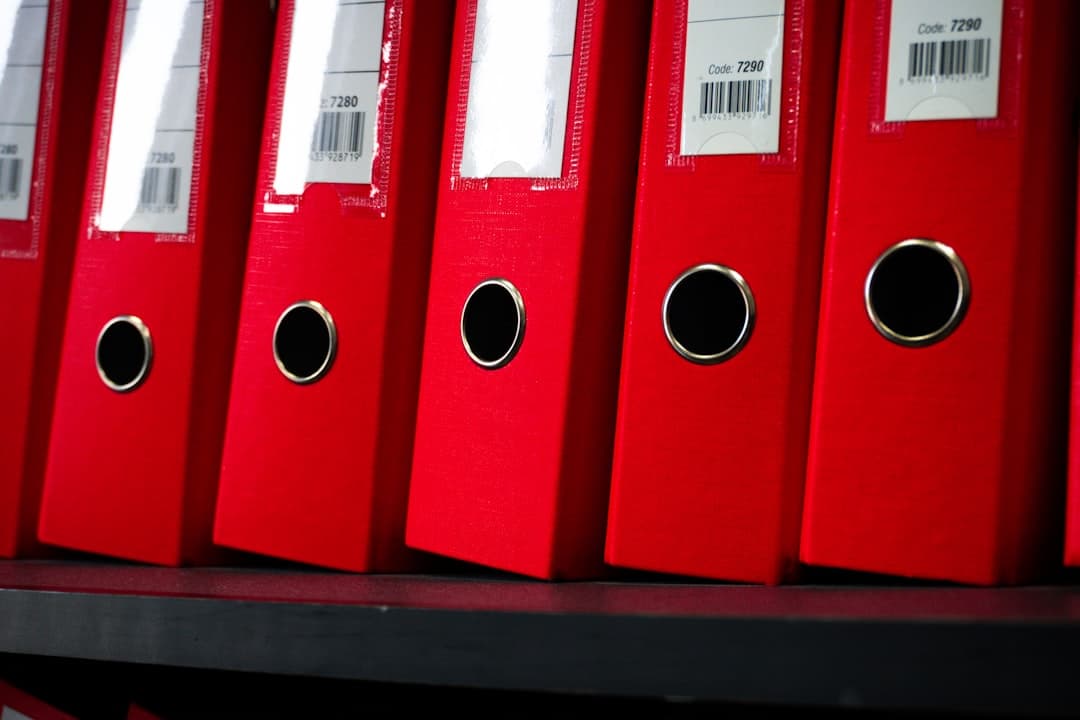
A drawer full of paper contracts, invoices, and forms is dead weight until it becomes data you can search and act on. We build that conversion pipeline for clients, scan, extract, structure, route, as part of our business automation work. This guide explains what Georgian OCR can and cannot do on its own, so you size the project honestly.
How Georgian OCR Works in 2026
Two families of tools read Georgian text today, and they behave differently.
- Classic OCR engines trace character shapes. Fast and cheap, strong on clean print, weak on anything messy or unusual.
- Vision language models read an image the way a person scans a page, using context to guess hard characters. Slower and pricier per page, far better on tricky layouts, tables, and mixed Georgian-Latin text.
For a typed Georgian document on white paper, both work. For a crumpled receipt, a stamped form, or a column layout, the vision models pull ahead because they read meaning, where the classic engine only traces shapes.
What Accuracy Can You Expect on Georgian Text?
Accuracy depends almost entirely on input quality. The Georgian script, Mkhedruli, is well supported by the strong modern engines, so the bottleneck is the scan, not the language.
A rough map of what we see in practice:
| Document type | Expected accuracy | Notes |
|---|---|---|
| Clean printed Georgian | 90-98% | Ships after light review |
| Printed with stamps or tables | 80-92% | Vision models recommended |
| Faded or photocopied paper | 60-85% | Needs careful verification |
| Georgian handwriting | Highly variable | Treat as assisted entry, not automation |
The number that matters is not raw accuracy, it is error cost. A 2% error rate on a marketing flyer is harmless. A 2% error rate on an invoice total or a personal ID number is a problem, so those fields get checked.
From Scan to Searchable Data: The Pipeline
Reading the characters is step one. Useful Georgian OCR turns a page into structured fields you can search, filter, and feed into other systems. A working pipeline runs four stages:
- Capture and clean. Scan or photograph the page, then straighten, sharpen, and boost contrast. Better input beats any model upgrade.
- Extract. Run the engine to pull raw Georgian text, with a vision model for anything beyond plain print.
- Structure. Map the text into fields: invoice number, date, supplier, amount. This is where OCR becomes data instead of a wall of characters.
- Verify and route. Flag low-confidence fields for a human, then push the clean record into your database, accounting tool, or knowledge base.
Skip the structure and verify stages and you get a pile of text files nobody trusts. Those two stages are what make the project pay off.
Real Use Cases for a Georgian Business
Where this earns its cost in Georgia:
- Accounting. Turn paper invoices and receipts into ledger entries without manual typing, with humans checking the totals.
- Legal and admin. Make old Georgian contracts and case files searchable, so finding a clause takes seconds instead of an afternoon.
- Retail and logistics. Read delivery notes, waybills, and supplier forms into a tracking system.
- Knowledge bases. Convert printed manuals and policies into text an AI support agent can search.
That last one connects directly to support automation. A chatbot is only as good as the documents behind it, and a lot of those documents start life on paper.
How Much Does a Georgian OCR Project Cost?
Per-page processing through a vision model is cheap, often a fraction of a tetri per page. The real budget sits in three places: cleaning up bad scans, building the field-structuring logic, and the human verification time on critical fields.
A small one-off batch can be close to free if your scans are clean and you tolerate a manual check. An ongoing pipeline that ingests hundreds of documents a week, structures them, and routes them into your systems is a proper automation build, priced like any custom workflow. The savings come from the hours of manual data entry you stop paying for, which for a busy accounting or admin team adds up fast against a typical 1500 GEL monthly salary.
Related Reading
- AI That Speaks Georgian: What Works for Business in 2026
- Sentiment Analysis of Georgian Customer Reviews With AI
- Building a Georgian-Language Knowledge Base for AI Support
- Georgian Voice Assistants for Business: State of 2026
- Georgian Text-to-Speech in 2026: Voices You Can Ship
- AI Business Automation in Georgia: The 2026 Field Guide
- Top 10 AI Tools With Georgian Language Support
- Multilingual AI Vector Search for a Georgian Catalog