AI Video Generators for Marketing Teams: 2026 Comparison
AI video generators are tools that produce short video clips from a text prompt or a still image, used for ads, product demos, and social content. As of 2026 the four leading options for marketing teams are Google Veo for realism, Sora for creative range, Kling for value, and Runway for editor-grade control.
TL;DR: A marketing team can produce social-ready clips for $20 to $95 per month with these tools, replacing much of a video shoot budget. Each clip runs 5 to 10 seconds, so real ads are stitched from several. For finished video ads, an aiNOW video production package turns raw generations into edited, captioned, on-brand content.
Owners watch a flawless demo reel and assume they will get that on the first try. The honest picture is more useful. These tools are strong, fast, and getting better every quarter, and they also have hard limits you plan around.
What Each Video Generator Does Best
The four split along clear lines:
- Google Veo. Top-tier realism and physics, good motion, increasingly strong at longer coherent shots. The pick when the clip must look real.
- Sora. Wide creative range and imaginative scenes. Strong for concept work and stylized brand pieces.
- Kling. Solid quality at a friendlier price, good image-to-video. The value choice for steady social output.
- Runway. Built for people who edit. Camera controls, motion brush, and a workflow that fits a production pipeline.
A clothing brand wants different output than a software product. Picking the generator that owns your use case beats subscribing to the most hyped name.
Which AI video generator is best for product ads?
For product ads, Veo and Kling lead because both do image-to-video well, so you start from a real photo of the product and animate it. Veo gives the most realistic motion, while Kling delivers similar quality at a lower price. Both produce short clips, so a full ad is several generations cut together in an editor.
Veo vs Sora vs Kling vs Runway
Pricing is in hedged ranges as of 2026. Plans and credit systems change often, so confirm before committing.
| Factor | Google Veo | Sora | Kling | Runway |
|---|---|---|---|---|
| Best at | Realism, physics | Creative range | Value, image-to-video | Editor control |
| Clip length | 5 to 10s+ | 5 to 20s | 5 to 10s | 5 to 10s |
| Image-to-video | Strong | Medium | Strong | Strong |
| Motion control | Medium | Medium | Medium | High |
| Learning curve | Low | Low | Low | High |
| Typical price/month | $20 to $95 | $20 bundle | $10 to $40 | $15 to $95 |
| Sound | Some native audio | Limited | Limited | Add in edit |
| Best fit | Realistic ads | Brand concepts | Steady social | Production teams |
The clip length row is the constraint to internalize. None of these hand you a finished 30-second ad. You generate parts, then assemble. Anyone promising one-click ads is selling the demo, not the workflow.
Where AI Video Generators Fall Short
The reel looks effortless. Production reveals the seams:
- Length and continuity. Clips top out around 5 to 20 seconds. A real ad needs editing to join shots, hold a character, and keep a consistent look.
- Exact product fidelity. Image-to-video helps, but fine details and logos can warp in motion. Expect retries and a second pass.
- Text and captions. On-screen text, especially Georgian, is added in an editor afterward, not baked in cleanly by the generator.
- Sound. Native audio is improving but uneven. Music, voiceover, and sound effects usually come from the edit stage.
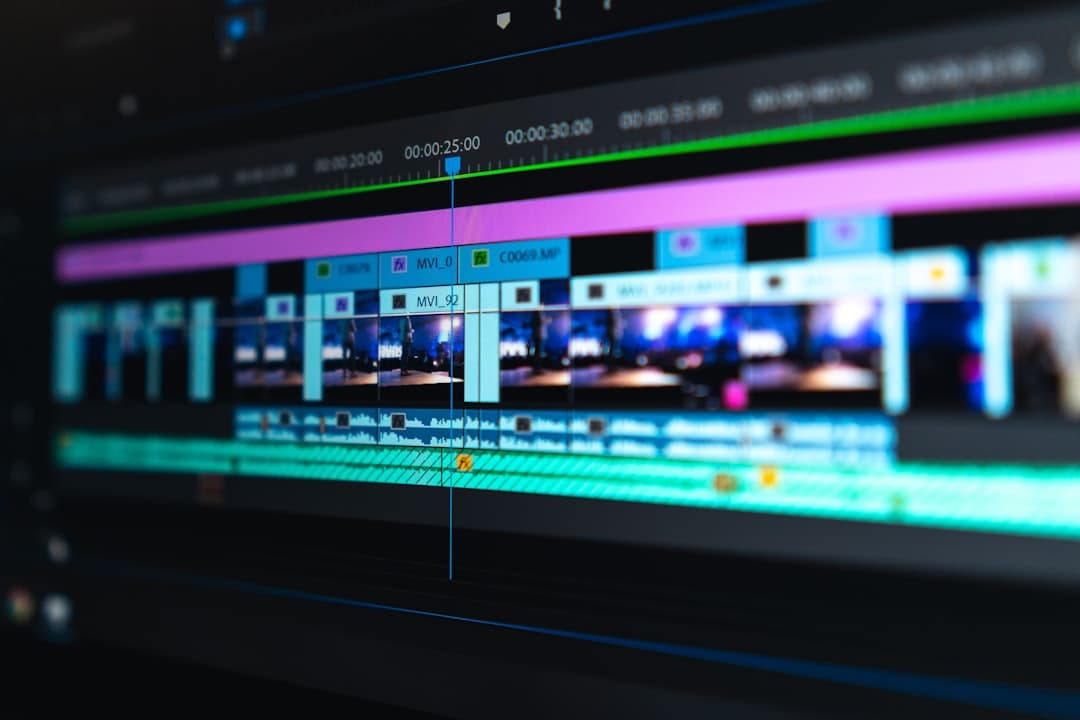
A generator gives you footage. Turning footage into an ad that holds attention, carries a message, and ends on a call to action is editing and direction. That is the part a video service or a skilled editor owns, and it is where most of the value sits.
Should I generate video myself or use a team?
Run the tools yourself when you want a few raw clips, you are comfortable in an editor, and polish is optional. Use a team when you need finished, captioned, on-brand ads on a schedule. The deciding factor is whether you have the editing time and skill to assemble clips into something that sells.
The math lands where it usually does. A solo marketer spends hours generating and cutting for one decent 15-second ad. A managed package delivers a batch of finished clips for 500 to 2000 GEL per month and frees that time. If your hours are worth more than the package, hand it off.
Related Reading
- How to choose AI solutions for your business
- CRM AI features compared per tier
- ChatGPT vs Claude vs Gemini for business
- AI chatbot platforms compared in 2026
- AI agency vs an in-house specialist
- The state of AI for Georgian business in 2026
- What AI costs in Georgia in 2026
- Your business needs results, not models