AI Product Photography: Catalog Shots Without a Studio
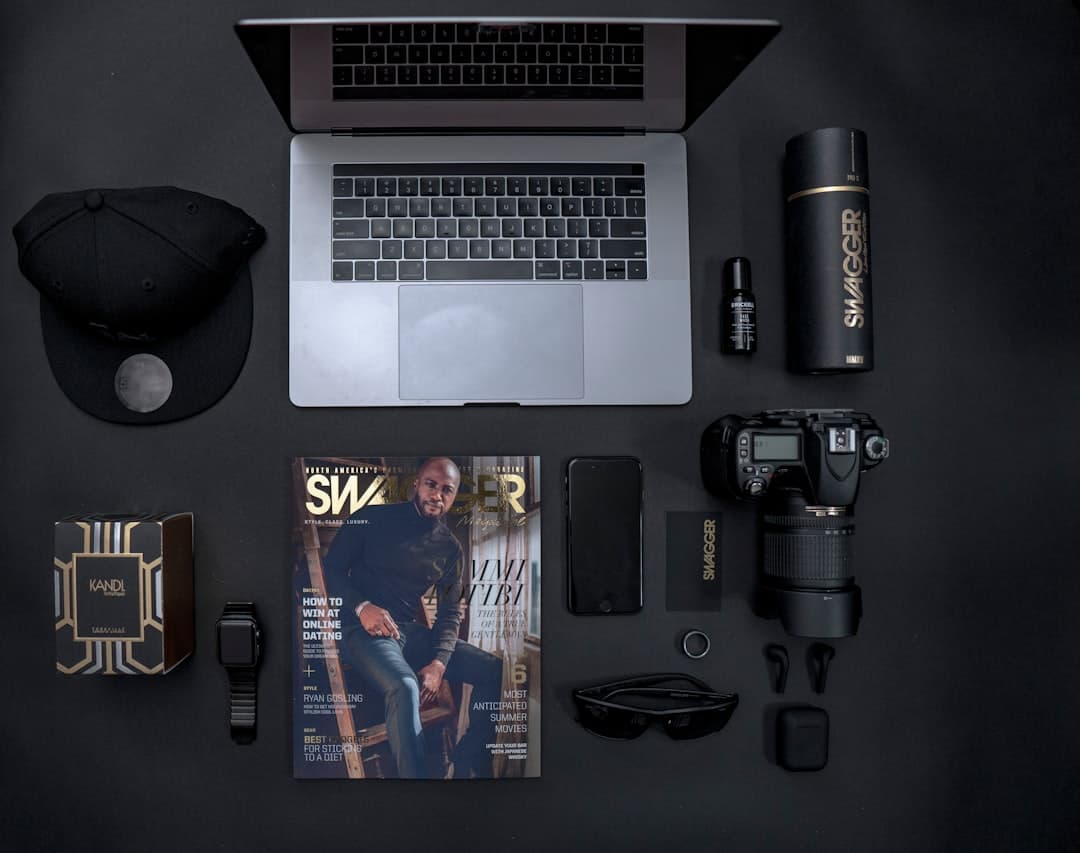
AI product photography uses AI to turn a basic phone photo of a product into clean catalog shots and lifestyle scenes, with backgrounds, lighting, and styling generated on demand. A human checks the product stays accurate. One source photo becomes a full set in hours, not a studio day.
TL;DR: A product photo shoot in Georgia runs roughly 500 to 2000+ GEL per session and takes days. AI product photography produces dozens of catalog and lifestyle variants from one phone shot, and a managed batch fits inside an aiNOW content package starting at 500 GEL/month.
For an online store, photos are the product. A blurry phone shot on a kitchen table loses sales no matter how good the item is. Hiring a studio for every new SKU is slow and expensive, so catalogs sit half-finished. AI fixes the bottleneck by generating studio-grade images from what you already have. If you want a full catalog produced for you, see our AI content production service.
What AI product photography produces
From one decent phone photo of a product, AI can generate a complete commercial set:
- Clean white-background catalog shots for your store and marketplaces
- Lifestyle scenes (the product on a table, in a hand, in a room)
- Seasonal and themed backgrounds for campaigns
- Consistent angles and lighting across an entire SKU range
- Social-ready crops in square and vertical formats
AI generates the variants. A human confirms the product itself, its color, logo, and shape, stays true to the real item.
How much does AI product photography cost in Georgia?
A studio product shoot in Georgia typically costs 500 to 2000+ GEL per session and books out days in advance. AI product photography runs inside a content package: 500 GEL/month for a steady batch, 1000 GEL/month for higher volume with lifestyle scenes, and 2000 GEL/month for a full studio across photos, video, and posts. The per-image cost drops sharply because there is no booking, travel, or set.
| Method | Cost | Time per set | Limit |
|---|---|---|---|
| Studio shoot | 500-2000+ GEL/session | Days | One session, fixed shots |
| Freelance photographer | 30-80 GEL/photo | Days | Scheduling, reshoots |
| aiNOW AI batch | from 500 GEL/month | Hours | Needs accuracy check |
The workflow, from phone to catalog
- Shoot one clean reference. A sharp, well-lit phone photo of each product. No studio needed.
- AI generates the set. Catalog, lifestyle, and themed variants from that reference.
- Accuracy check. A human confirms color, logo, proportions, and details match the real item.
- You approve. Review the set, flag any image that misreads the product.
- Export per channel. Marketplace, website, and social crops exported.
- Reuse the reference. Next campaign, new backgrounds from the same source shot.
The store owner shoots the reference and approves. AI handles the rest.
Where AI photography goes wrong (and the fix)
The single risk is accuracy. AI can subtly change a product color, warp a logo, or alter a shape, and a customer who receives something different than the photo files a complaint and a return. That is why no AI product image ships without a human accuracy pass.
The fix is a fixed reference and a strict check. Generate from a real, sharp photo of the actual item, then verify every output against it before publishing. Lifestyle backgrounds and lighting are free to be creative. The product itself is locked to reality. Get that split right and AI gives you a studio catalog without the studio.
Which stores benefit most
AI product photography pays off fastest for high-SKU, fast-moving catalogs:
- Fashion and accessories where new items arrive weekly and each needs multiple looks
- Home goods and decor that sell on lifestyle context, not the bare object
- Food and packaged goods that need clean, appetizing, consistent shots
- Small electronics and gadgets where clean white-background shots drive marketplace sales
For a store adding products constantly, the studio bottleneck is the real cost. AI removes it.
How do you shoot a good reference photo?
The whole output depends on one input, so the reference photo earns five minutes of care. Place the product near a window in daytime, on a plain surface, with no harsh shadow across it. Fill the frame, keep the camera steady, and capture the angle that shows the product best. A clean phone photo beats a rushed one every time.
Avoid mixed indoor and window light, busy backgrounds, and motion blur, because AI carries those flaws into every generated variant. For products with a logo or fine print, shoot a second close frame so the detail stays sharp through generation. Once you have a strong reference, the same shot fuels catalog images, lifestyle scenes, and seasonal campaigns for months without a reshoot. That reusability is where the cost saving compounds over a growing catalog.
Related Reading
- AI Content Production for Business: The 2026 Playbook
- AI Copywriting for a Business Website
- Keeping One Brand Voice When AI Writes
- Content Repurposing: 1 Video Into 12 Assets
- AI Content Quality Control: 12-Point Checklist
- AI That Speaks Georgian for Business
- Inside an AI Content Factory: Technical Walkthrough
- How We Process 30 Creatives a Week With AI