AI ბრენდის იდენტობა: ლოგოდან სტილის სახელმძღვანელომდე
შექმენით სრული ვიზუალური იდენტობა AI-ით: ლოგო, ფერი, ტიპი და განლაგების სისტემა. სად ზოგავს AI კვირებს, სად იღებს ადამიანური დირექტორი საფასურს და რას იღებთ.
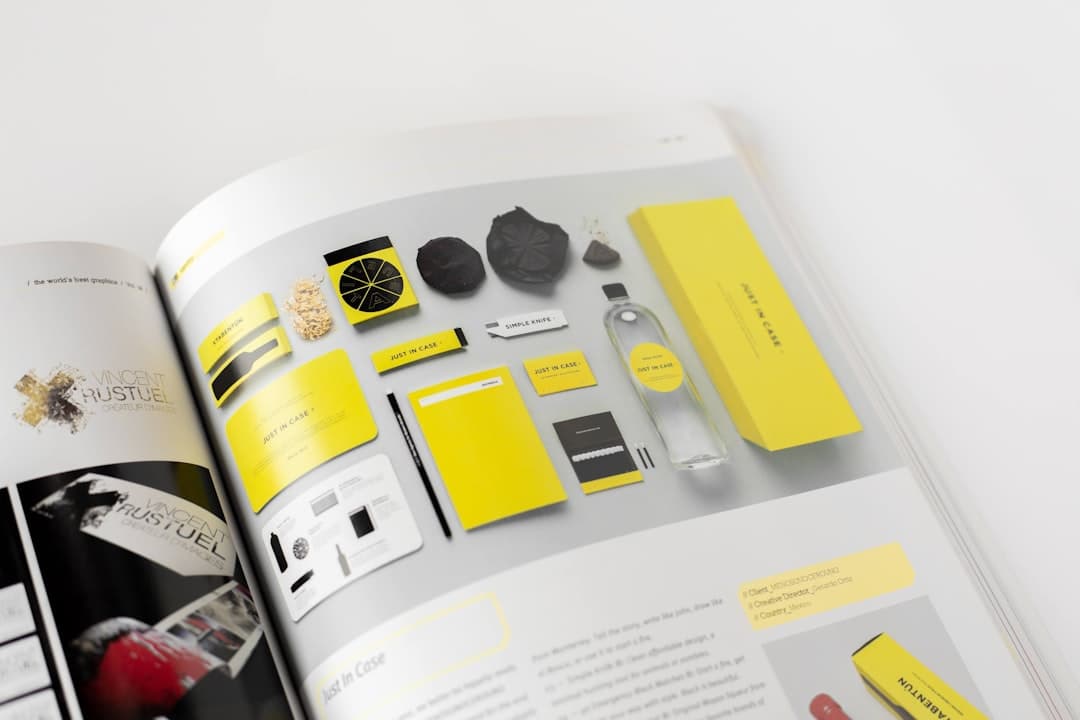
ლოგო არის ბრენდის იდენტურობის ნაწილი, რაზეც ადამიანები კამათობენ სამი კვირის განმავლობაში. ეს არის ასევე ის ნაწილი, რომელსაც ყველაზე ნაკლებად აქვს მნიშვნელობა, როდესაც სისტემის დანარჩენი ნაწილი აკლია. ვაკეში თონეს შეიძლება ჰქონდეს ლამაზი ლოგო და მაინც ჰგავდეს ოთხ განსხვავებულ კომპანიას მის მენიუში, ინსტაგრამის ქსელში, ადგილზე მიტანის ჩანთაში და მაღაზიის ვიტრინაში. გამოსწორება არ არის უფრო ლამაზი ლოგო. შესწორება არის სისტემა: ერთი ნიშანი, ერთი ფერის ნაკრები, ორი შრიფტი და წესების მცირე ნაკრები, რომელიც თითოეულ მომავალ პოსტს ასწავლის, თუ როგორ უნდა მოიქცეს.
ეს გზამკვლევი გვიჩვენებს, თუ როგორ აშენებს ქართული მცირე ბიზნესი მთელ სისტემას AIს გამოყენებით, რა ნაწილს აკეთებს AI დღის მეორე ნახევარში და იმ ნაწილს, სადაც ადამიანური დირექტორის გადახდა არის განსხვავება ბრენდსა და განწყობილებას შორის. თუ თქვენი შერჩეული სია უკვე ჩამოთვლილია „დავიქირავეთ ფრილანსერი თუ ვიყენებთ AI“, დაიწყეთ ფიქსირებული ფასის შეთავაზებით სრული ნაკრებისთვის aiNOW გრაფიკულ სერვისზე და წაიკითხეთ, რომ გაიგოთ, რას ყიდულობთ.
რას შეიცავს „ბრენდის იდენტურობა“.
ბრენდის იდენტურობა არის ექვსი აქტივი და არა ერთი. ბიზნესის უმეტესობა იხდის პირველს და არასოდეს იღებს დანარჩენ ხუთს, რის გამოც მათი ვიზუალი ერთ თვეში იშლება.
- ლოგოს სისტემა. არც ერთი ფაილი. პირველადი ლოგო, ჰორიზონტალური ჩაკეტვა, დაწყობილი ჩაკეტვა, მხოლოდ ხატულის ნიშანი აპლიკაციის ფილებისა და ფავიკონებისთვის და ერთფეროვანი ვერსია მარკებისა და ნაქარგებისთვის.
- ფერების ნაკრები. ერთი ან ორი ბრენდის ფერი, მუქი ნეიტრალური, ღია ნეიტრალური და ერთი აქცენტი ღილაკებისა და ფასებისთვის. ზუსტი თექვსმეტობითი და CMYK მნიშვნელობებით, ასე რომ ეკრანი და დაბეჭდილი ფლაერი ემთხვევა.
- ტიპოგრაფია. ერთი შრიფტი სათაურებისთვის, ერთი სხეულისთვის. ლათინურ-ქართული წყვილი, რომელიც ორივე დამწერლობას ფარავს, რადგან თბილისური ბიზნესი ყოველდღე ორ ანბანზე წერს.
- განლაგების სისტემა. მინდვრები, ბადე, სადაც ლოგო ზის, რამდენად დიდი ხდება სათაური. ეს არის წესები, რომლითაც 30 პოსტი დაკავშირებულია.
- ფოტო და ილუსტრაციის მიმართულება. გამოსახულების განსაზღვრული სახე: თბილი ან მაგარი, ნათელი ან განწყობილი, რეალური ფოტოები ან გენერირებული სცენები.
- ბრენდების წიგნი. მოკლე დოკუმენტი, რომელიც შეიცავს ყოველივე ზემოთქმულს, რათა მომდევნო დიზაინერმა, სტაჟიორმა ან AI ხელსაწყო არ გამოიგონოს ბრენდი.
მიიღეთ ექვსივე და თქვენი ვიზუალი წლების განმავლობაში დარჩება თანმიმდევრული. მიიღეთ მხოლოდ ლოგო და თქვენ დაბრუნდებით აქ ერთ სეზონში.
სადაც AI აკეთებს მძიმე აწევას
AI ძლიერია ზუსტად იქ, სადაც ტრადიციული იდენტიფიკაციის მუშაობა ნელი და განმეორებადი ხდება. ეს ოთხი ნაბიჯი გამოიყენება ორკვირიანი ვადების შესავსებად. ისინი ახლა ერგებიან ერთ-ორ დღეში ორიენტირებულ სამუშაოს.
ლოგოს შესწავლა
ადამიანის დიზაინერი ასახავს 10-დან 15-მდე მიმართულებას, სანამ სამს გაჩვენებთ. AI ერთ საათში ქმნის 60 ნიშანს საოცრად განსხვავებულ ცნებებში: სიტყვანიშანი, მონოგრამა, აბსტრაქტული სიმბოლო, პირდაპირი ობიექტი. თქვენ არ ირჩევთ საბოლოო ლოგოს აქედან. თქვენ პოულობთ მიმართულებას, რომელიც სწორია, შემდეგ აუმჯობესებთ ერთ გზას. ტომი სწრაფად წყვეტს პრობლემას „არ ვარ დარწმუნებული რა მინდა“, რადგან 40 არასწორი ლოგოს დანახვა ცხადყოფს სწორს.
ფერისა და ტიპების დაწყვილება
AI გვთავაზობს სრულ პალიტრებს თექვსმეტობითი მნიშვნელობებით და გვთავაზობს შრიფტის წყვილებს, რომლებიც მოიცავს ქართულ და ლათინურს. ის ამოწმებს კონტრასტს ხელმისაწვდომობისთვის, რაც მნიშვნელოვანია, რადგან დაბალი კონტრასტის ფასი დაგიჯდებათ ტელეფონების გაყიდვა დღის შუქზე. ამოცანა, რომელიც დიზაინერს სჭირდებოდა ტიპების ბიბლიოთეკების გადახედვა, ხდება სამი-ოთხი მზა ვარიანტის მოკლე მიმოხილვა.
მაკეტები და აპლიკაცია
თეთრ კვადრატზე ლოგოს დანახვა არაფერს გეტყვით. მისი დანახვა ყავის ფინჯანზე, ვიტრინის აბრაზე, ინსტაგრამის პოსტზე და მიტანის ჩანთაზე ყველაფერს გეტყვით. AI წარმოქმნის ამ აპლიკაციის მაკეტებს წუთებში, ასე რომ თქვენ ამტკიცებთ იდენტურობას იმის ცოდნა, თუ როგორ ცხოვრობს ის რეალურ სამყაროში და არა როგორც აბსტრაქტული ფაილი.
გაუთავებელი ვარიაციები და ზომის შეცვლა
სისტემის დაყენების შემდეგ, AI აწარმოებს ყველა ზომასა და ფორმატს, რომელიც ოდესმე დაგჭირდებათ: ფავიკონი, აპლიკაციის ხატულა, ელფოსტის ხელმოწერა, ბეჭდვისთვის მზა ვექტორი. ეს არის იგივე ძრავა სოციალური გრაფიკის სისტემის მიღმა, რომელიც ინახავს 30 პოსტს ერთი შეხედვით, და ეს არის ის, რაც ქმნის ბრენდის მასშტაბებს დიზაინერების გარეშე, რომლებიც აკვირდებიან ყველა ექსპორტს.
სადაც ადამიანი დირექტორი იღებს ჰონორარს
AI ქმნის ვარიანტებს. ეს არ წყვეტს. გადაწყვეტილება, რომელიც 60 ქულას ერთ ბრენდად აქცევს, არის ადამიანის შრომა და სხვაგვარად პრეტენზია არის ის, თუ როგორ მთავრდება ბიზნესი ტექნიკურად სუფთა ლოგოთი, რომელიც არაფერს ნიშნავს.
- სტრატეგია პიქსელამდე. ვინ არის მომხმარებელი, რას გვპირდება ბრენდი, როგორი უნდა იყოს ის სამი ადგილობრივი კონკურენტის გვერდით. AI ვერ პასუხობს ამაზე, რადგან არ იცის თქვენი ბაზარი. რეჟისორი, რომელიც მუშაობდა ქართულ მცირე ბიზნესთან.
- გემოვნება და კურირება. ერთი ნიშნის არჩევა, რომელიც არის გამორჩეული და ხელმისაწვდომი და არა ისეთი, რომელიც ჰგავს ყველა სხვა AI ლოგოს გრადიენტით და ფოთლით. ეს არის ყველაზე ღირებული საათი მთელ პროექტში.
- კულტურული მორგება. იმის ცოდნა, რომ თბილისელი აუდიტორიისთვის ფერი იკითხება როგორც "იაფი" ან "პრემიუმ", რომ ქართულ სათაურს სჭირდება ხაზის მეტი სიმაღლე, ვიდრე ლათინურ ვერსიას, რომ ეკრანზე მომუშავე ნიშანი იშლება უნიფორმაზე ამოქარგული.
- თავად ბრენდის წიგნი. წესების დაწერა, რომლებიც აძლიერებს სისტემას. AI ავსებს შაბლონებს. ადამიანი წყვეტს რა წესები უნდა იყოს.
პატიოსანი გაყოფა: AI აშორებს შრომის 70 პროცენტს, ნელი გენერირებას და ზომის შეცვლას. დარჩენილი 30 პროცენტი, სტრატეგია და გემო, არის სადაც ღირებულება ზის. სტუდია, რომელიც იმალება "ჩვენ ხელით შევქმენით ყველაფერი" ზედმეტად იხდის 70 პროცენტს. მხოლოდ ხელსაწყოზე მომუშავე სერვისი, რომელიც გამოტოვებს 30 პროცენტს, არასაკმარისი მიწოდებაა იმ მხრივ, რაც მნიშვნელოვანია. სწორი პასუხი არის ადამიანის დირექტორი, რომელიც მართავს AI მოცულობას.
ვადები და მიწოდება
ამ გზით აშენებული სრული იდენტურობა გრძელდება დაახლოებით ერთიდან ორ კვირამდე, მისი უმეტესობის განხილვისა და გადაწყვეტილების დროა, ვიდრე წარმოების. აქ არის მისი ფორმა.
| სცენა | რა ხდება | დრო |
|---|---|---|
| მოკლე და სტრატეგია | აუდიტორია, პოზიციონირება, სამი კონკურენტი უყურებს ბაზარს | 2 დღე |
| ლოგოს შესწავლა | 60 AI მიმართულება, შევიწროებული 3-მდე, დახვეწილი 1-მდე | 2-დან 3 დღემდე |
| სისტემის აგება | ფერი, ტიპი, ბადე, აპლიკაციის მაკეტები | 2-დან 3 დღემდე |
| ბრენდის წიგნი | წესები, ფაილის ექსპორტი, გადაცემა | 2 დღე |
რა დევს თქვენს საქაღალდეში ბოლოს: სრული ლოგო კომპლექტი ვექტორში და რასტრში, ფერის მნიშვნელობები ეკრანისა და ბეჭდვისთვის, ორი ლიცენზირებული შრიფტი, განლაგების ბადე, აპლიკაციის მაკეტები და ბრენდის წიგნი PDF. ყველაფერი, რაც მომავალ პოსტს, რეკლამას ან ვებსაიტს სჭირდება, ბრენდზე დარჩეს.
რა ღირს ალტერნატივებთან შედარებით
საქართველოში თავისუფალი დიზაინერი ანაზღაურებს პროექტს და ნელა ამუშავებს. სტუდია იხდის ამის მრავალჯერადს და მოძრაობს კვირების კალენდარზე. AI-ს დახმარებით მილსადენი, რომელსაც მართავს დირექტორი, გაძლევთ იგივე ექვს აქტივს უფრო სწრაფად, რადგან ნელი წარმოების ნაბიჯები ავტომატიზირებულია და ადამიანის დრო მთლიანად გადადის სტრატეგიასა და კურირებაში.
AiNOW-ში ვიზუალური ნამუშევარი ასევე ზის შინაარსის გეგმებში, ასე რომ, იდენტურობა მარტო არ ცხოვრობს. შინაარსის წარმოების გზამკვლევი გვიჩვენებს, თუ როგორ აცოცხლებს STARTER გეგმა თვეში 500 ₾500-ად ბრენდს 8 პოსტში, 3 ვიდეოსა და 5 გრაფიკაში, და როგორ ახორციელებს PREMIUM 2000 ₾ 30 პოსტს და მორგებულ დიზაინს, როდესაც იდენტურობა დაბლოკილია. იდენტურობა არის საფუძველი. გეგმა არის ის, რაც მასზე ყოველ კვირას ეფუძნება.
რასაც იდენტობა ხსნის
როდესაც სისტემა იარსებებს, ყველა სხვა ვიზუალური სამუშაო უფრო იაფი და სწრაფი ხდება, რადგან წესები უკვე გადაწყვეტილია. იგივე ბრენდის ნაკრები პირდაპირ იკვებება:
- აწარმოეთ ვიდეოები კამერის გარეშე, რომლებიც მემკვიდრეობით იღებენ თქვენს ფერებს, ტიპს და ლოგოს განთავსებას 150 ₾ თითო ვიდეოზე.
- ჩვენება და ბანერი სარეკლამო კომპლექტები მასშტაბით, სადაც თქვენ მიერ განსაზღვრული ბადე ხდის ყველა ზომას ავტომატურად თანმიმდევრულს.
- მოძრავი გრაფიკა Reels-ისთვის, ლოგოს ნაკბენებით და ქვედა მესამედით აგებული თქვენი ნიშნით.
- AI ავატარის სპიკერი, რომელიც ასახავს თქვენს ვიდეოებს თქვენი ბრენდის ფერებში გადამღები ჯგუფის გარეშე.
ეს არის იდენტობით დაწყების მთელი აზრი და არა ერთჯერადი გრაფიკით. თქვენ იხდით ერთხელ სისტემაში და ყოველი შემდგომი აქტივი ხდება უფრო სწრაფი, იაფი და თანმიმდევრული. ქართულ ბიზნესში AIს შემოტანის უფრო ფართო კონტექსტისთვის, ინდუსტრიის სახელმძღვანელო მოიცავს იმას, თუ სად ჯდება ვიზუალური იდენტურობა უფრო დიდ გეგმაში.
FAQ
შეუძლია თუ არა AI-ს შექმნას ლოგო საკმარისად კარგი რეალური ბრენდისთვის?
AI წარმოქმნის ძლიერ მიმართულებებს, მაგრამ საბოლოო ნიშანს სჭირდება ადამიანის კურირება, რათა იყოს გამორჩეული და ხელმისაწვდომი. კომბინაცია, AIს მოცულობა პლუს რეჟისორის გემოვნება, აწარმოებს ლოგოს, რომელიც ინარჩუნებს თავის თავს. მარტო AI მიდრეკილია აწარმოოს ზოგადი ნიშნები, რომლებიც ჰგავს ყველა სხვა ხელსაწყოს გამომავალს.
ვიღებ რედაქტირებადი ფაილებს თუ მხოლოდ სურათებს?
თქვენ მიიღებთ სრულ კომპლექტს: ვექტორული ლოგოს ფაილები დასაბეჭდად და მასშტაბირებისთვის, რასტრული ვერსიები ვებისთვის, ზუსტი ფერის მნიშვნელობები ეკრანისა და ბეჭდვისთვის, ლიცენზირებული შრიფტები და ბრენდის წიგნი PDF წესებით. ყველაფერი რედაქტირებადია და გადმოგეცემათ.
რამდენად იაფია ეს დიზაინის სტუდიაზე?
ნელი ნაწილები, რომლებიც ქმნიან ათობით ლოგოს მიმართულებას და ახორციელებენ ყველა ზომისა და ფორმატის ექსპორტს, ავტომატიზირებულია. ადამიანური დრო მხოლოდ სტრატეგიასა და კურირებაში გადადის, იმ ნაწილებში, რომლებსაც განსჯა სჭირდებათ. თქვენ იხდით ძვირფას საათებს და არა განმეორებით შრომას, ასე რომ მთლიანი თანხა კარგად მოდის სტუდიის ტრადიციული კურსით. მიიღეთ ფიქსირებული ფასის შეთავაზება ainow.ge-ზე.