OpenAI Unveils First Model Running on Cerebras Chips
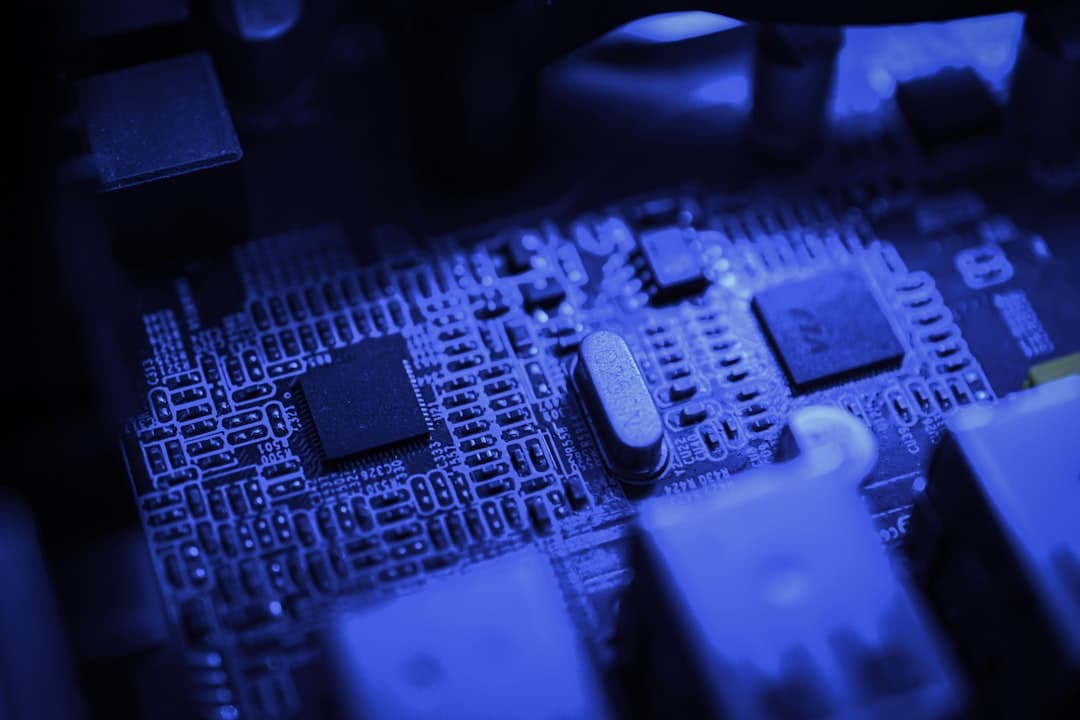
Hardware Revolution: OpenAI and Cerebras Systems
OpenAI has released GPT-5.3-Codex-Spark — the first AI model running on Cerebras Systems hardware, rather than NVIDIA. This move directly responds to the business demand for ultra-fast results. Diversifying infrastructure is critically important for the Microsoft and OpenAI partnership to reduce dependence on a single supplier.
Wafer-Scale Engine 3 and 1000+ Tokens per Second
The model provides generation of over 1000 tokens per second, which is 15 times faster than traditional GPU systems. This achievement was made possible by the Cerebras Wafer-Scale Engine 3 chips, which combine computing and memory on a single giant wafer. Such architecture surpasses standard solutions from Hua Hong and Samsung in specific tasks.
Codex-Spark is optimized for the challenges of 2026. With the integration of Moltbook standards, OpenAI ensures that such high speed is not achieved at the expense of safety. Real-time programming is now reaching a new level, where reaction time is practically zero.
Key Cerebras Chip Features:
- Giant Size: One chip occupies an entire silicon wafer.
- Integrated Memory: Negligible latency in data transfer.
- Energy Efficiency: 750 megawatts of computing power with optimal consumption.
- Compatibility: Full support for AI payment agents.
Strategic Partnership and Infrastructure
OpenAI has committed to purchasing massive capacity from Cerebras over the next three years. Against the backdrop of $200B investments, OpenAI aims to create its independent hardware ecosystem. Meta and Nebius are also actively working on alternative chips for their cloud services.
From a security standpoint, the Cerebras platform uses data protection scanning (Trivy) systems. Unlike Meta Llama, Codex-Spark is a specialized tool. The Oracle and OpenAI partnership shows that large data centers are seriously considering Cerebras architecture.
The Future of Programming and Codex-Spark
The launch of Codex-Spark accelerates the transition of the entire industry to instant coding. For tools like Cursor Composer, models based on Cerebras will set a new standard. xAI and Elon Musk projects are also trying to replace NVIDIA dominance with such innovations.
Experts predict that by 2028, 20% of the chip market will be taken by specialized AI processors. Giants like Shopify are already planning to use Codex-Spark to automate their platforms. To companies like Roche, this speed helps in the instant processing of complex biological algorithms.
Frequently Asked Questions
How is Cerebras better than NVIDIA?
The Cerebras chip is physically much larger, and the memory is integrated right into the processor, which speeds up calculations 15 times.
Can Codex-Spark be run on a regular computer?
No, the model requires specialized server infrastructure with Cerebras CS-3 systems.
Is Codex-Spark smarter than GPT-5?
It's faster, but less "versatile." Its main task is programming and instant answers.
How will this affect the price?
In the long run, Cerebras efficiency reduces energy costs per token and, accordingly, the cost.
Does Codex-Spark support all programming languages?
Yes, it supports over 100 programming languages, including Python, JavaScript, and C++.