Anthropic CEO Predicts: The "Centaur Phase" in Programming
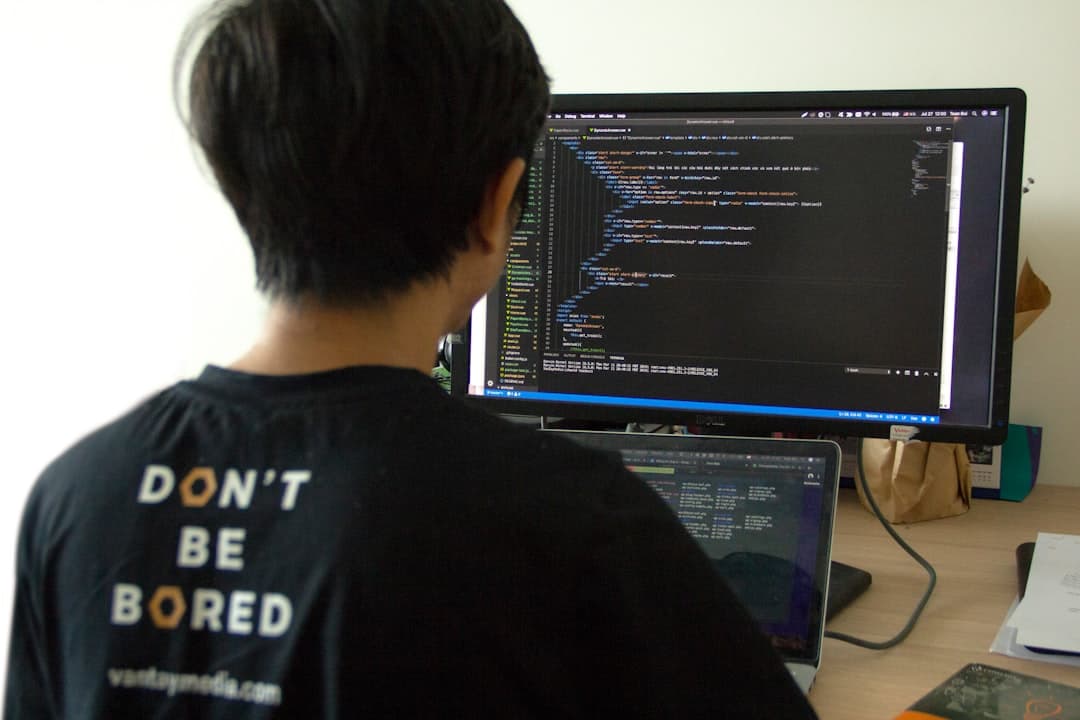
The Centaur Phase — What It Is and Why You Should Care
In 1997, IBM's Deep Blue beat chess world champion Garry Kasparov. But for 15-20 years after that event, an interesting phenomenon existed: a human controlling a chess AI outperformed both pure AI and a solo human player. This hybrid model was called a "centaur." This concept is precisely what our article on the death of outsourcing and the centaur market addresses.
That era ended. Today, a machine unconditionally beats everyone without human intervention.
Now Anthropic CEO Dario Amodei says the exact same thing is happening in programming — and the "centaur phase" may turn out to be much shorter than anyone expected. Interestingly, Amodei has previously commented on the question of AI consciousness, which further underscores the depth of this topic.
What Amodei Said
Speaking on the New York Times podcast "Interesting Times with Ross Douthat," Amodei directly stated:
"We are already in the centaur phase for software development. In this phase, demand for programmers may even increase. But this period may turn out to be very short."
In other words: right now, in 2026, a developer + AI is more productive than either alone. If you're curious which AI tools create this "centaur effect" — see our 2026 best AI assistants review. But this window is closing.
Speed of Change
Amodei is particularly alarmed by the pace of transformation. Previous technological transitions — from agriculture to manufacturing, from manufacturing to intellectual work — required centuries or decades.
In AI's case?
"This is happening over the course of years," said Amodei.
In his 20,000-word essay "The Adolescence of Technology," published in January, Amodei predicts: AI could replace 50% of office workers within 1 to 5 years, raising unemployment to 10-20%. This economic disruption coincides with the reality described by the growing demand for result-oriented business.
Other Views — Not Everyone Agrees
Not all tech leaders share Amodei's concerns. Atlassian CEO Mike Cannon-Brookes argues that demand for engineers will grow alongside AI capabilities:
"In five years, our company will have more engineers than today. They'll be more efficient, but technology creation isn't limited by productivity."
However, other leaders stand with Amodei:
- Mustafa Suleyman (Microsoft AI) — says AI will automate most office work in 18 months
- Demis Hassabis (Google DeepMind) — develops similar views on service sector automation. Interestingly, one of DeepMind's vice presidents also spoke about AI's impact on science, and their Aletheia system solved 13 open math problems
Meanwhile, Google's new Gemini 3 Deep Think model also shows that AI capabilities are growing rapidly, and MiniMax's M2.5 model competes with Claude Opus — another sign that the market is evolving fast.
What This Means Practically
If you're a developer or run a technology business, Amodei's warning means several things:
For Developers
- "Just writing code" is no longer enough. Code generation is becoming a mass commodity. Value shifts to architectural thinking, product understanding, and AI orchestration skills. To understand how this technology works from fundamentals — read our neural networks guide 2026.
- The ability to work with AI is the new baseline. Those who don't learn to work effectively with AI coding tools now will be in a difficult position after the centaur phase ends.
- Specialization is the path to survival. Unique domain knowledge + AI = competitive advantage. For example, AEO/GEO strategy audit is a skill AI can't perform alone.
For Business
- Buying "hourly teams" is outdated. Result-oriented models (Result Factory) are replacing the Body Shop approach — we wrote about this in detail in the outsourcing crisis article.
- Now is the right time for AI integration. The centaur phase is a window where human + AI delivers maximum effect. This window is closing.
- Prepare for inevitable transformation. Amodei himself calls for progressive taxation of AI companies — this signals that disruption is inevitable.
At the same time, don't forget security risks — one phrase can break AI security, and AI memory manipulation poses a new threat to marketing and security.
Conclusion
Dario Amodei is not a panicker or a Luddite — he is the founder of Anthropic, one of the most advanced AI companies. When he says the centaur phase is short, this is not an apocalyptic prediction, but a guide to action.
The question isn't "will change come." The question is: are you ready?
Frequently Asked Questions
What is the "centaur phase" in programming?
The centaur phase is a period when human + AI together are more productive than either alone. The term originates from chess, where a human-guided AI outperformed both pure AI and a solo human. According to Dario Amodei, this phase in programming will end soon.
Why does Anthropic's CEO say the centaur phase will be short?
Amodei points to the unprecedented speed of change. Previous tech transitions took centuries; with AI, this happens over years. His forecast: AI could replace 50% of office workers within 1-5 years.
What should a developer do before the centaur phase ends?
Three key steps: first — master working effectively with AI coding tools. Second — shift focus to architectural thinking and product understanding, as code generation becomes commoditized. Third — develop unique domain expertise that combined with AI gives competitive advantage.
Does everyone agree with Amodei's prediction?
No. Atlassian CEO Mike Cannon-Brookes argues demand for engineers will grow with AI. However, Microsoft AI's Mustafa Suleyman and Google DeepMind's Demis Hassabis side with Amodei and predict rapid office work automation.
What does the end of the centaur phase mean for business?
For business, it means the "hourly team" buying model will become obsolete. Now is the right time for AI integration, as the centaur phase — the human + AI maximum effect window — is closing. Companies need to prepare for transitioning to result-oriented models.